
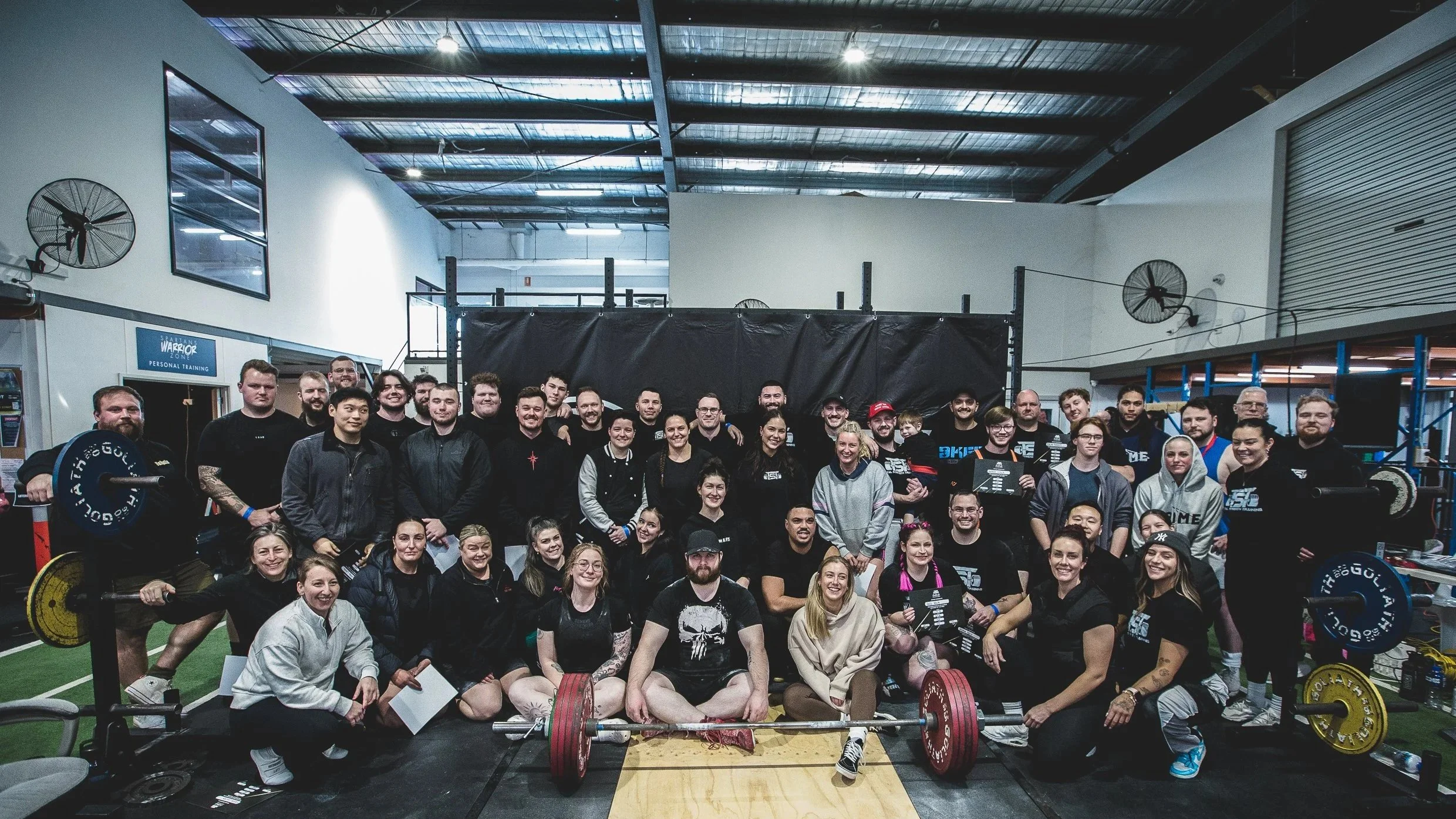
what is loaded performance about?
It’s about how you live, train, and feel.
I didn’t plan on becoming a nutritionist.
In fact, if you'd have told me years ago that I'd spend my life helping people eat better and focus on their nutrition, I probably would’ve laughed.
To be fair, I didn’t even really like food or paying attention to it much back then — not in the way I do now at least.
For years, I lived in the world of endurance sports.
Swimming, rowing, running — it’s always been pushed as the thing to be good and successful at. But it never felt like me.
I was constantly chasing this idea of success and a version of being “fit” that always felt just out of reach and not very fun to me.
Then one day, I walked into the gym — and something completely shifted.
For the very first time, I wasn’t chasing a number on the scale, and I wasn’t being forced to do activity that made me feel bad.
I was chasing how strength felt — and I immediately felt strong.
It wasn’t just about being small, it wasn’t about being the fastest, it wasn’t about any of that — it was literally just about being and feeling strong and capable.
That first gym session opened the doors for me, and I remember thinking: Why hasn’t anyone told me that this was an option.
this isn’t just about food.
The turning point
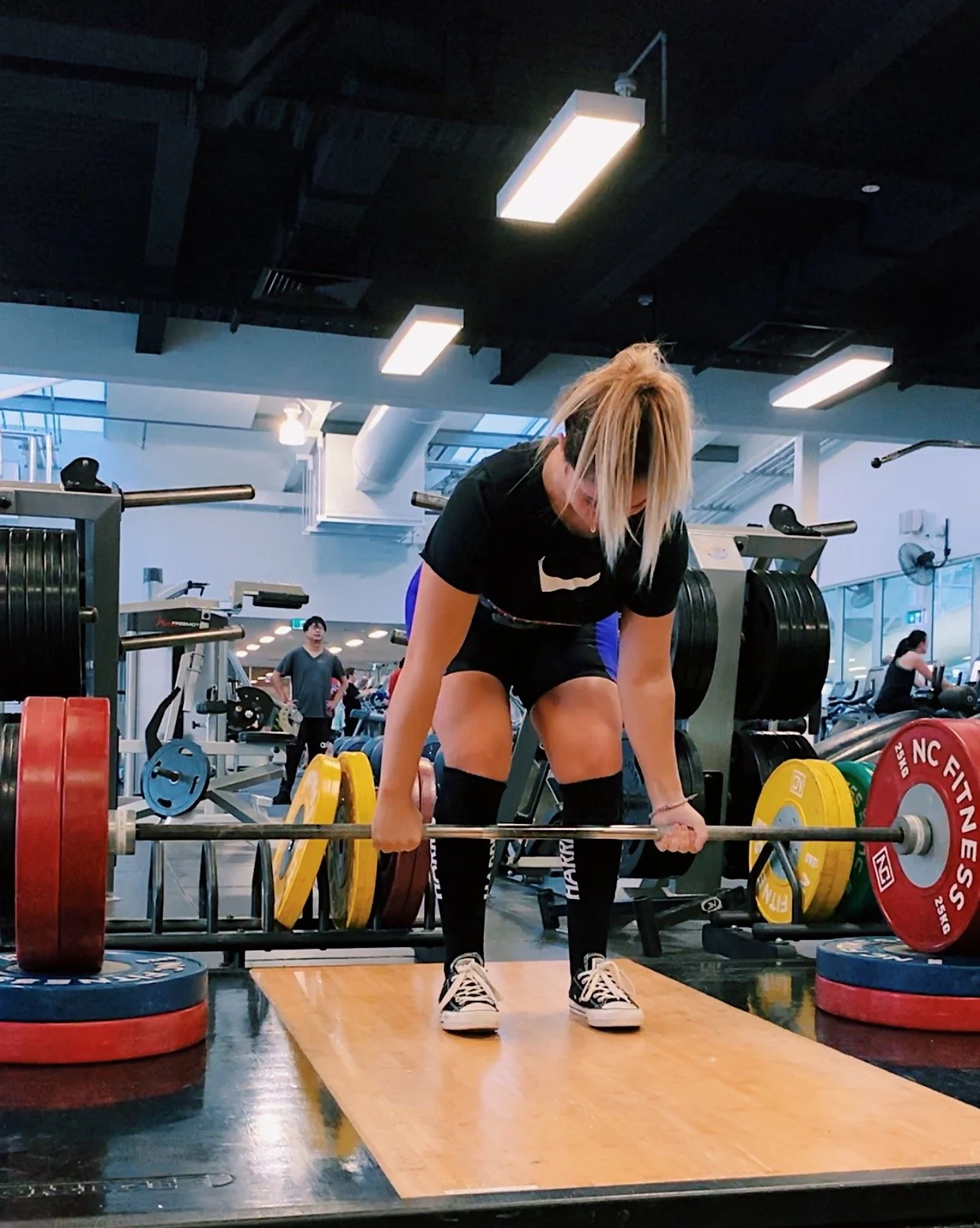
Over time, that love for strength turned into powerlifting without me even realising it.
The people I was surrounded with, the challenge, the tangible progress, the repetitiveness — it became my outlet and something that grounded me.
But it wasn’t really until I started paying attention to what was happening outside of the gym that everything changed and happened so much faster.
How I was eating.
How I was sleeping.
How I was managing stress.
I realised I was trying to perform like an athlete without actually fuelling and living like one.
Once I changed that — once I addressed it, and once I learned how to eat and support my training instead of disregarding it — everything started compounding, and actually really fast.
My lifts went up, my recovery improved, my energy returned and stayed.
I didn’t feel like I was constantly running on empty anymore or looking around wondering what I was doing wrong.
That experience and focus changed everything for me — and it became the foundation of my work.
what i actually do.
When people hear I’m a nutritionist they often picture meal plans, lists of food, and a spreadsheet full of macros — and that’s it.
But it’s absolutely not what I do.
What I do do is help strength athletes and everyday lifters build the kind of habits, systems, and structure that make performance sustainable — not messy, not overwhelming.
Yes, I use nutrition as a lever — but I’m not here to hand you a meal plan and tell you to stick to it and leave you be.
I'm here to understand how you actually live — your training routine, your work, your family life, your stress, your recovery — and make the plan fit that.
If it doesn’t work in real life, then it’s not a good plan.
And if it feels like a punishment, it’s not going to last.
My approach is very simple:
Minimise the noise.
Fix the systems underneath.
Build strong foundations.
Teach you how to self-correct when things go skew-with.
Because once you understand why your body responds the way it does, you can make better decisions without overthinking everything and without it feeling overwhelming.
That is how you stop guessing.
And that is how you start performing.
the kind of people i work with.
I work with people who love to train and who want to be their strongest self.
The ones who don't need any more motivation, they just need strategy.
Some are newer lifters — juggling work and study and family and trying to find the energy outside of the gym while still doing the things they love.
Others have been in the game for a long while — powerlifters, weightlifters, competitors — who know what they're doing but can't figure out why they're not recovering or progressing like they used to, or like they see everyone else be.
Different seasons, same goal:
To feel good enough to perform well — not just in sport and training, but in life and day-to-day.
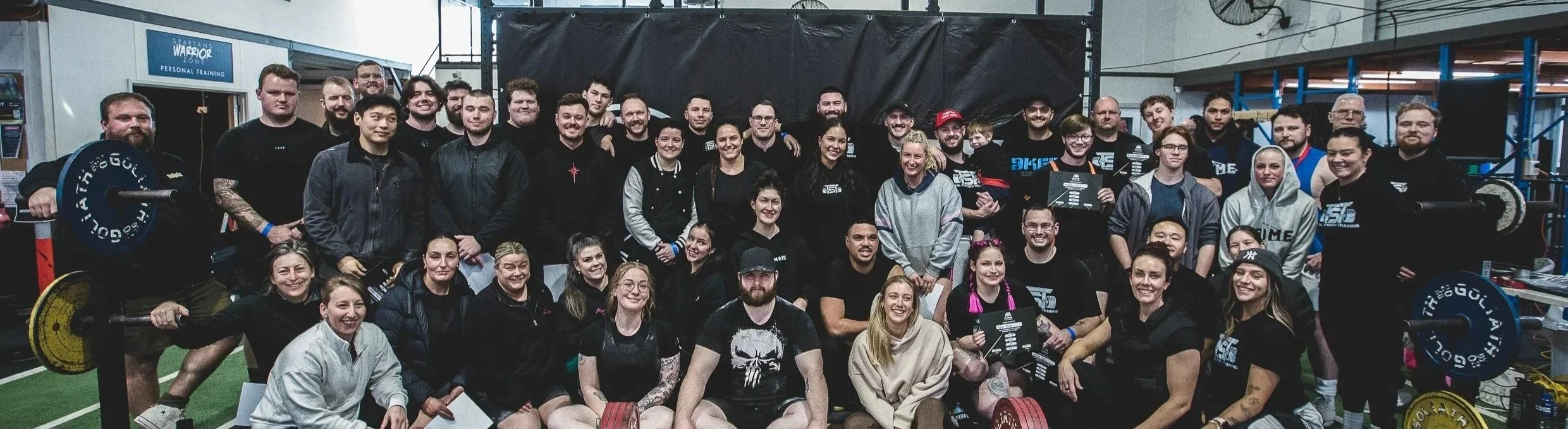
why i care so much.
Because I have been both versions of that athlete.
I have been the one that has shown up when I don't want to, who makes mistakes, and who mistakes fatigue for discipline — the one who thought being tired all the time meant I was doing it right.
I felt all those things and didn’t understand why it was happening — or understand that it could even feel a different way.
But I know now how much better it feels when that stops — when your body and brain finally start working to support you again.
It’s not about perfection or restriction — it is genuinely about making it work for you.
Getting every part of your routine, your recovery, and your mindset to point in the same direction to get you the result you're after.
And when that happens, performing doesn’t feel like effort anymore — it just feels routine..
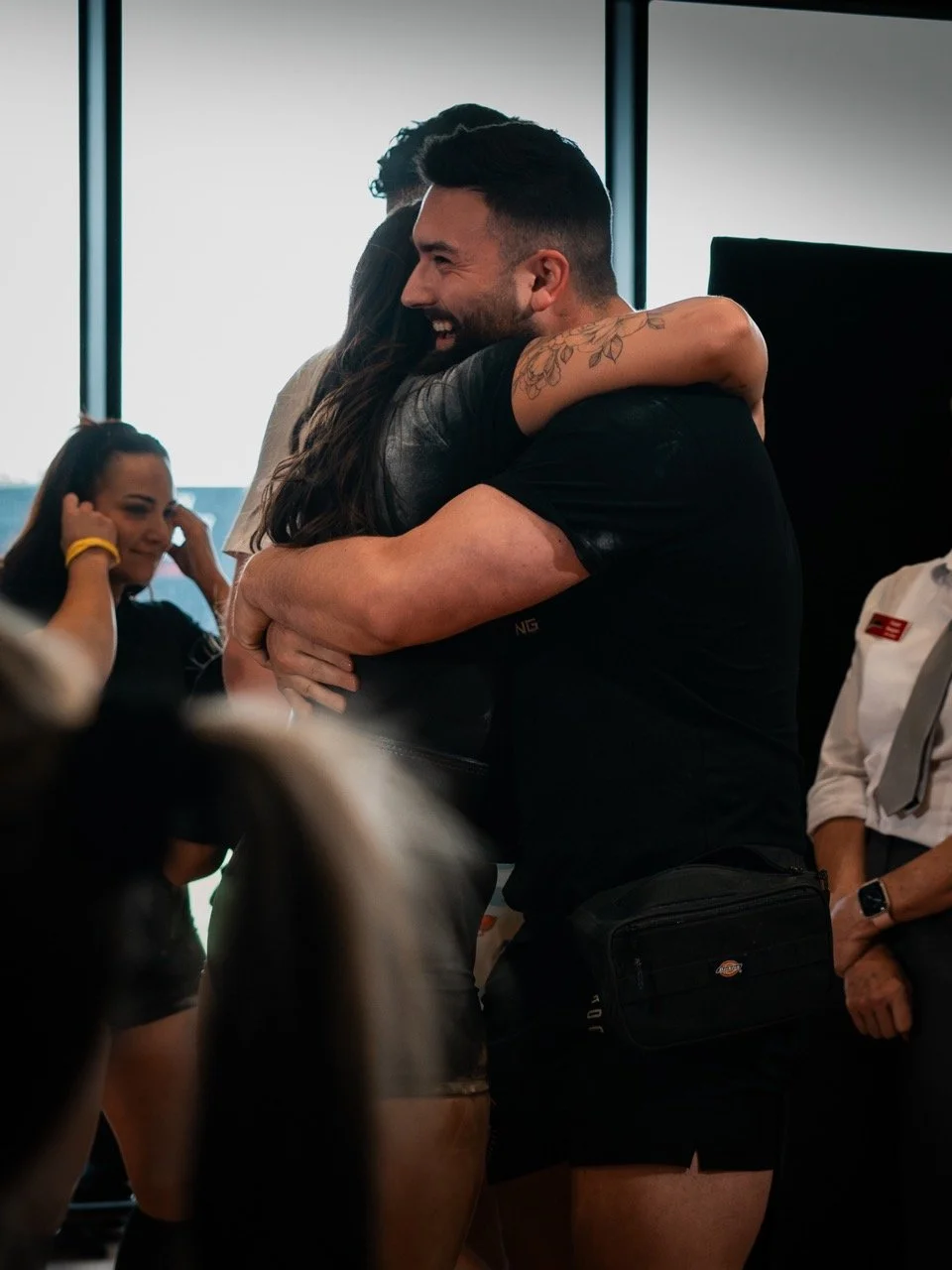
If you take one thing away…
Performance is not just about your training and what you do in the gym.
It's about how you recover, how you eat, how you think, and how you show up in the rest of your life outside of it.
If it’s not sustainable, it’s not going to support your performance.
And if it's not making you feel good, then what you're doing isn't working.
That’s the standard I coach by — and that is the one I live to as well.
If you’re ready to stop guessing, start fuelling properly, and actually feel good in your training again — I’d love to help you get there.