
Is all protein equal?
Short answer: no.
Long answer: it depends on how much protein you’re eating, where it’s coming from, and what your goal actually is.
Even if your goal isn’t to build a shit tonne of muscle and have the biggest quads in the world, protein quality still matters.
Protein isn’t just about muscle gain. It plays a critical role in:
Maintaining muscle mass (a key predictor of long-term health, mobility, and reduced falls risk as we age)
Bone health
Skin repair and tissue regeneration
Nutrient transport throughout the body
Immune function
So whether your goal is to get stronger, gain muscle, or simply stay active, independent, and healthy long-term - protein matters.
But not all protein does the same job.
What Is Protein, Actually?
Protein is made up of long chains of amino acids.
There are 20 different amino acids that combine in different ways to form the proteins that make up your muscles, bones, skin, tendons, and other tissues.
Out of these 20 amino acids, 9 are considered “essential.”
That doesn’t mean they’re more important than the others - it means your body can’t make them on its own, so you must get them from food.
Think of it like this:
Amino acids = Lego blocks
Protein = the finished Lego set
Your body = the factory assembling the sets
Your body can manufacture most of the Lego blocks itself.
But for those 9 essential ones? You need to bring them in from outside the factory — via your diet — or the set stays incomplete.
Complete vs Incomplete Protein Sources
This is where protein quality comes into play.
Complete protein sources
Complete proteins contain all 9 essential amino acids in sufficient amounts.
Examples include:
Animal-based foods (meat, dairy, eggs)
Soy
Quinoa
Buckwheat
Amaranth
Chia seeds
Spirulina
Incomplete protein sources
Incomplete proteins are missing one or more essential amino acids.
Most plant-based protein sources fall into this category, including:
Beans and legumes
Nuts and seeds
Grains
Most vegan protein powders (unless soy-based)
This doesn’t make them bad protein sources.
It just means they don’t tick every box on their own.
Why This Matters (Especially for Some People)
If you:
Eat little or no animal-based foods
Eat a fairly repetitive diet
Rely heavily on plant-based protein sources
Have higher protein needs (older adults, athletes, lifters, or anyone trying to gain or maintain muscle mass)
…then protein quality becomes more relevant.
You’ll need to eat a broader range of protein sources to ensure you’re getting enough of each essential amino acid — not just enough protein overall.
One amino acid worth calling out here is leucine.
Leucine is an essential amino acid that plays a key role in:
Triggering muscle protein synthesis (MPS)
Reducing muscle protein breakdown
This is one reason animal-based proteins and whey-based protein powders tend to be so effective for muscle retention and growth.
What About Protein Quantity?
Zooming out for a moment — none of this matters if total protein intake is too low.
For people aiming to build or maintain muscle, general recommendations sit around:
1.6–2.2 g of protein per kilogram of bodyweight per day
Protein intakes in Western countries are often higher at a population level, but that doesn’t mean every single person is consuming enough — especially once goals shift toward performance, strength, or ageing well.
Combining Incomplete Proteins
Two incomplete protein sources can combine to form a complete amino acid profile if each provides what the other is missing.
This is particularly relevant for those following vegetarian or plant-based diets.
Examples include:
Grains + legumes
Rice + beans
Nuts/seeds + legumes
You don’t need to combine them perfectly at every meal, but variety across the day (and week) matters.
Protein Powders: A Quick Note
Whey and animal-based protein powders are complete, high-quality protein sources
If opting for vegetarian or vegan protein powders, soy-based options are generally the best choice from an amino acid perspective
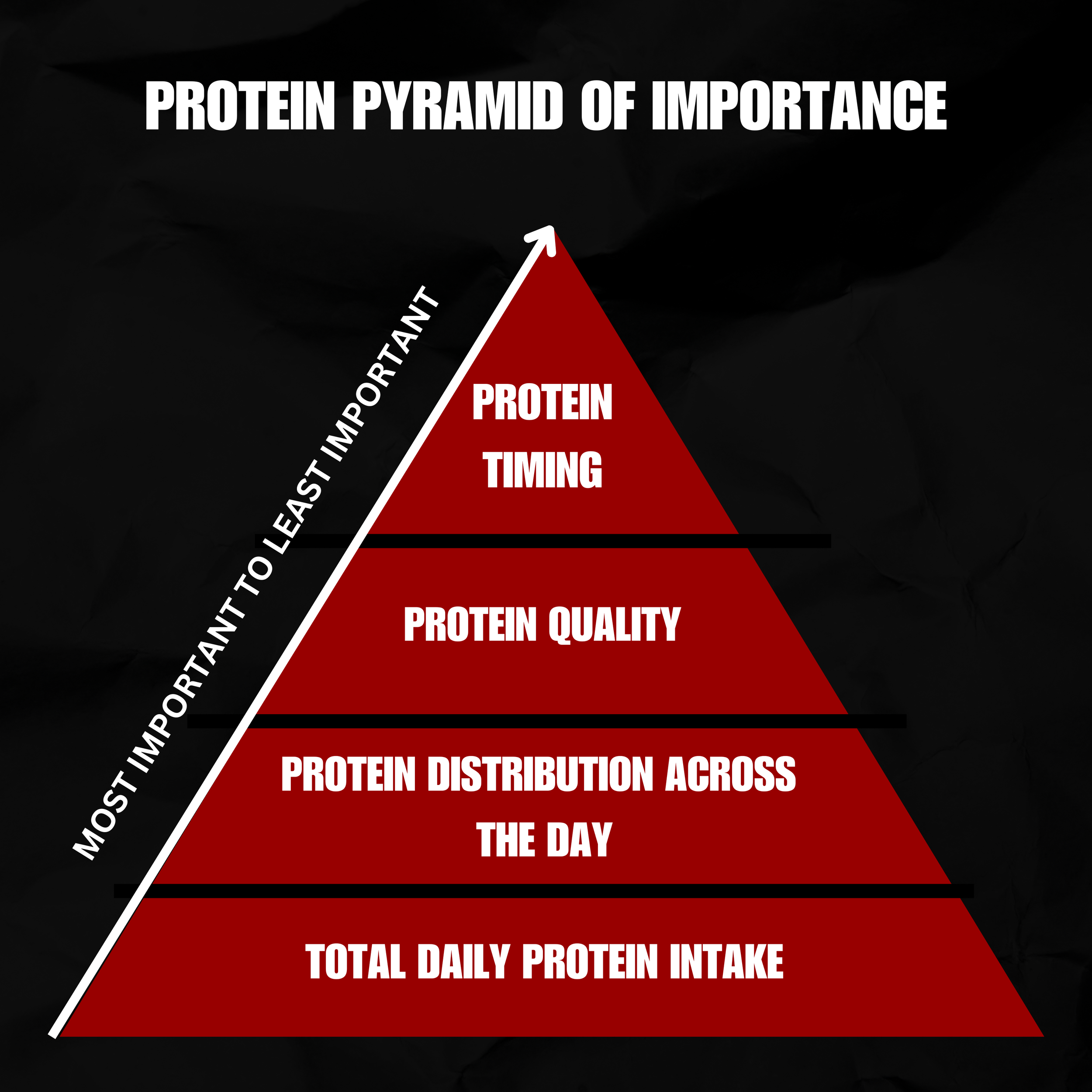
The Big Picture: What Should You Focus On First?
Protein quality matters — but only after the basics are covered.
Before worrying about amino acid profiles, ask:
Are you eating enough protein overall?
Are you spreading it reasonably across the day?
Is your intake consistent?
Summary
Not all protein is “equal” — but that doesn’t make any source bad
If you don’t eat much animal-based food, aim for variety across plant-based protein sources
Complete proteins simplify amino acid intake, especially for higher protein needs
Protein quality matters after you’re consistently eating enough protein overall
Get the foundations right first — then worry about the details.
